
cattle feed production line
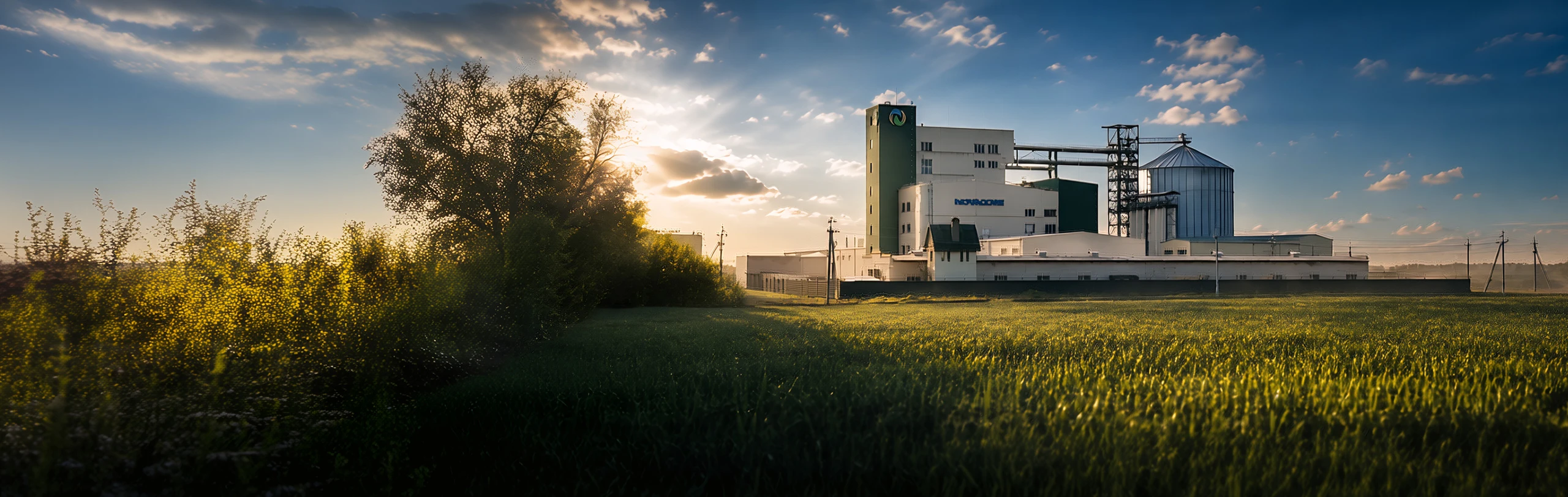
According to different customer needs, RICHI designs different equipment models.
Cattle Feed Production Line
Custom-built for dairy cows, beef cattle and buffaloes, RICHI’s complete pellet feed processing line produces three main feed varieties: concentrated supplementary feed, total mixed ration (TMR) pellets and high-fiber hay pellets.

Product Overview
Our cattle feed production line covers a full capacity range of 1–100 tons per hour, with adjustable pellet diameters from 4mm to 12mm. The line fits production facilities including commercial feed mills and in-house feed workshops of large-scale ranches.
Videos of RICHI Cattle Feed Production
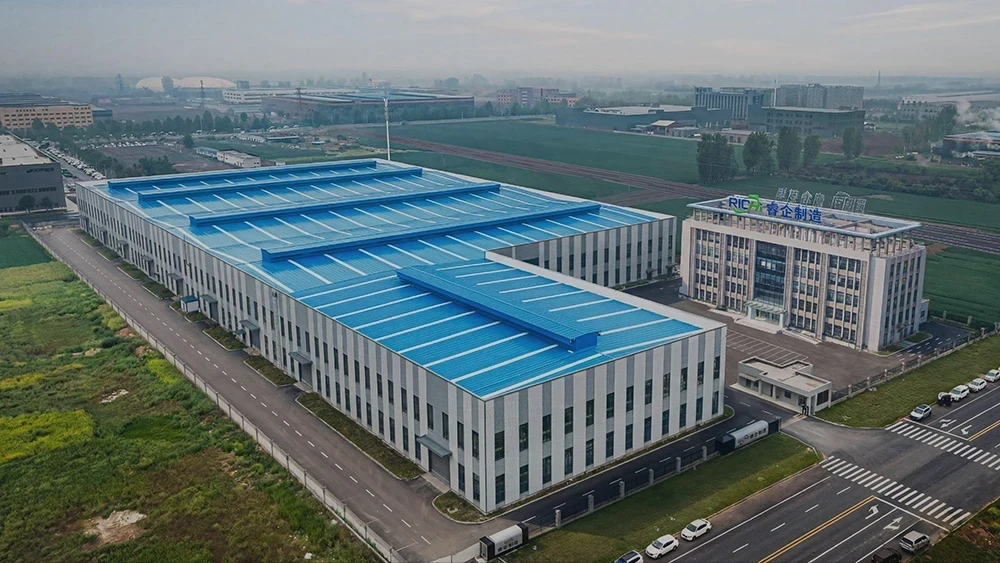
RICHI features spacious factory premises, a tidy office environment and complete production lines.

Why Choose RICHI?
Our story originates from the Central Plains, where we started with one simple mission: to build reliable, premium equipment.
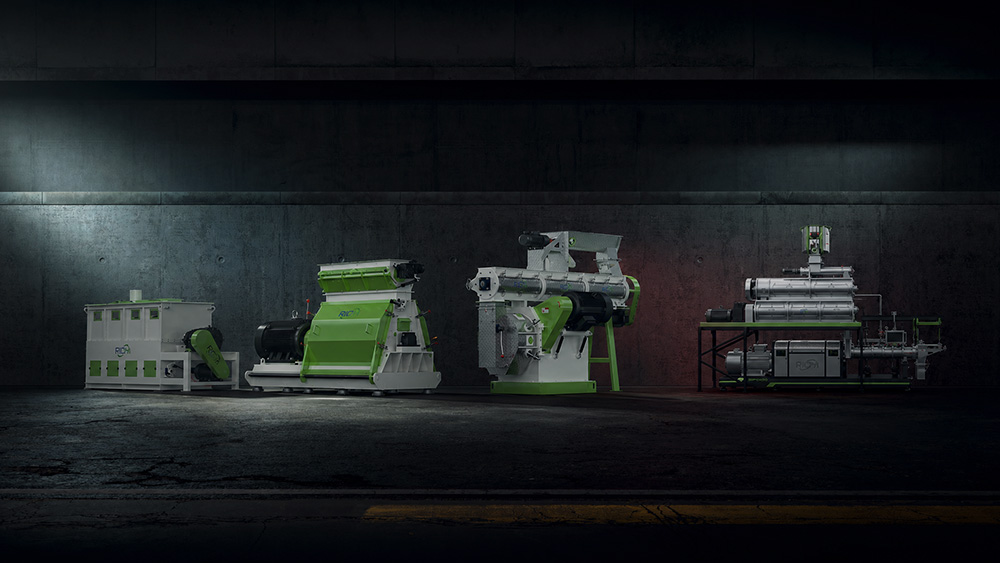
The Process of Producing Cattle Feed
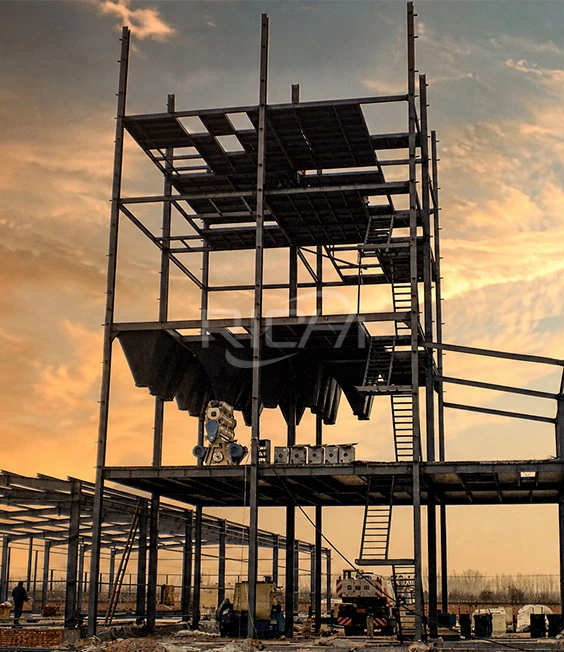
Our equipment is capable of supporting an entire feed production line.

5-6 T/H Feed Production Line in Zimbabwe
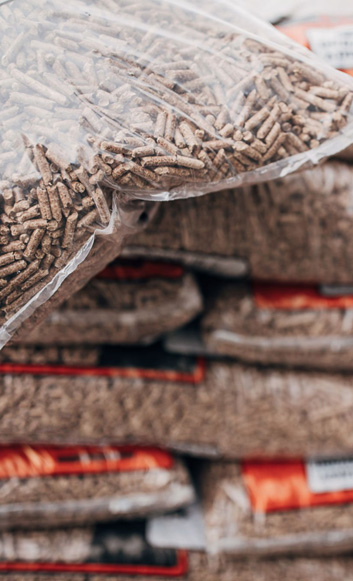
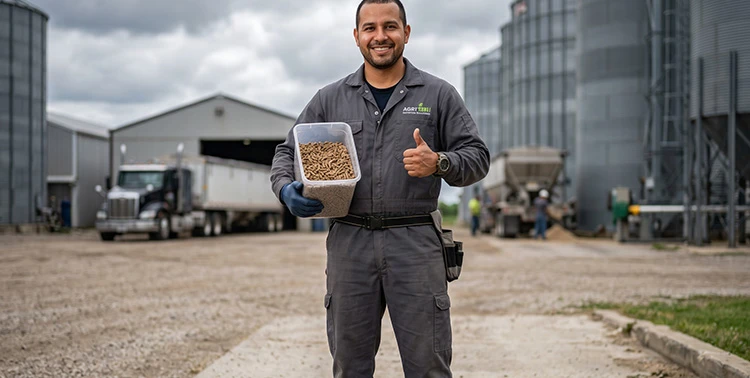
Our high-quality particles are visible.

According to different customer needs, RICHI designs different equipment models.
Production Workflow
RICHI’s cattle feed production line features standardized and seamlessly coordinated production workflows.
01
Raw Material Receiving & Cleaning
All raw materials are conveyed into storage silos via scraper conveyors and elevators. They first pass through a combined cylindrical pre-cleaner and magnetic separator. The cleaner removes large impurities such as stones, straw ropes and corn cobs, while the magnet extracts iron nails and metal scraps. This prevents abrasive damage to hammer mills and pellet mill ring dies, ensuring long-term stable operation of the whole line.
For bulk forage materials, auxiliary bale breakers and hay cutters are installed to process feedstock into a proper size for subsequent grinding.
02
Grinding
Cleaned grains and hay are fed into water-drop hammer mills separately.
This machine uses upgraded hammers and screen meshes to process high-fiber cattle feed. It grinds corn, alfalfa and straw into even 0.5–2mm fragments for better mixing effect.
We fit the grinding unit with a pulse dust collector to stop dust escape and meet environmental discharge requirements.
03
Automatic Batching & Mixing
Ground powder is automatically delivered to batching silos. The PLC system controls the discharge volume of each raw material in strict accordance with dairy or beef cattle feed formulas, with a batching accuracy of ±0.1%.
All ingredients flow into a twin-shaft high-efficiency mixer with a mixing uniformity coefficient CV ≤ 5%, a leading figure within the industry. An independent liquid adding system injects soybean oil, molasses, liquid vitamins and other additives to boost feed palatability. The fully sealed mixing process avoids material stratification and delivers balanced crude fiber and protein to meet ruminant nutritional requirements.
04
Conditioning & Pelleting
Mixed powder enters a steam conditioner, where high-temperature steam softens materials, fully gelatinizes starch and kills harmful bacteria including E. coli and mold. This greatly improves nutrient digestibility for cattle.
The conditioned hot and humid powder is then extruded under high pressure in RICHI’s proprietary ring-die pellet mill tailored for ruminant feeds. Pellet diameters ranging from 4mm to 12mm are available, covering specifications for calves, lactating dairy cows and finishing beef cattle.
05
Cooling & Screening
Freshly extruded pellets reach temperatures of 75–90°C and remain soft, prone to mildew and breakage if stacked directly. Hot pellets are transferred to a counterflow cooler, where cold air flows in reverse to evenly lower pellets to ambient temperature and strip excess surface moisture, drastically boosting pellet hardness.
After cooling, pellets go through a double-layer vibrating screener. The upper screen filters out elongated connected pellets, while the lower screen sifts fine powder and crumbs. Screened waste powder is recycled back to the pellet mill via return pipelines for re-pelletizing, cutting raw material loss and production costs.
06
Automatic Packaging
The system automatically conveys qualified finished pellets to the packaging area.
Fully automatic weighing packers weigh materials within an accuracy of ±0.2kg, and support three packaging specifications: 25kg woven bags, 50kg sacks and 1-ton bulk jumbo bags.
Heat sealing and stitching sealing options are provided for tight, dust-proof closures.
Packaged pellets can be directly stacked in finished goods warehouses or loaded onto trucks for delivery to ranches and distributors, requiring only minimal on-site labor.
RICHI Crafted, Fully Trusted.
Related Equipment
RICHI’s cattle feed production line is equipped with a full array of well-engineered machinery, each with unique features and dedicated functions.
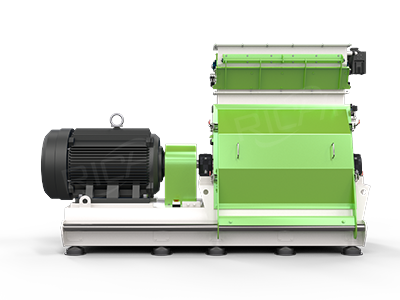
Cattle Feed Grinder Machine
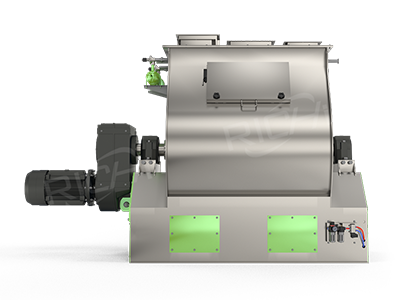
Cattle Feed Mixer Machine
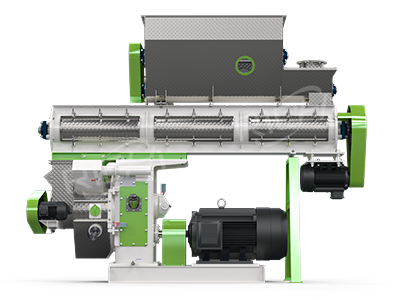
Cattle Feed Pellet Machine
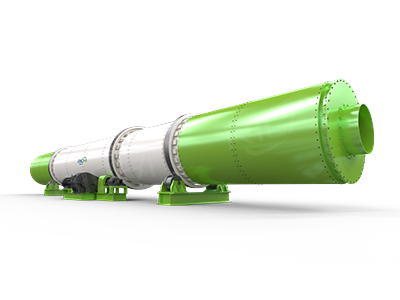
Dryer Machine
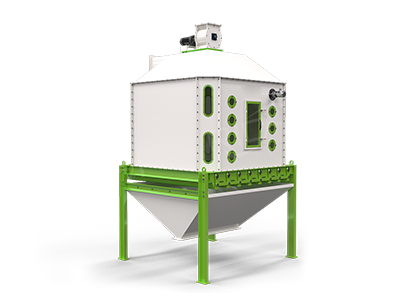
Pellet Cooler Machine
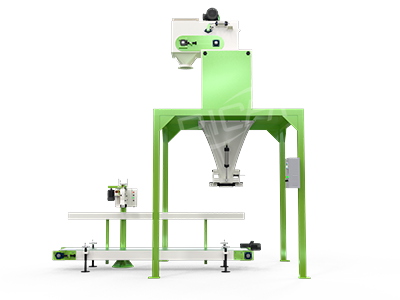
Automatic Packing Machine
RICHI Crafted, Fully Trusted.
Project Cases
Numerous practical successful projects testify to the reliable manufacturing quality of RICHI.
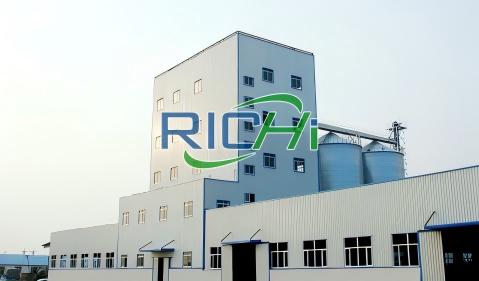

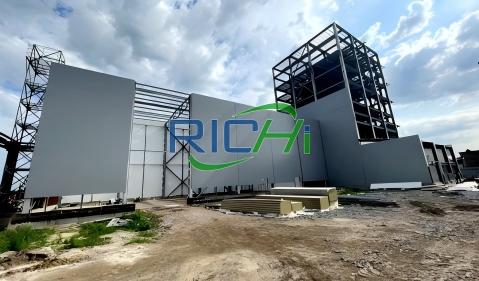
Maharashtra, India
5–6 t/h Dairy Cattle Feed Project
- Raw Materials: Corn, rice bran, deoiled peanut meal, local hay
- Capacity: 5–6 tons per hour, daily output of 40 tons, exclusively supplied to local dairy cooperatives
- Core Equipment: SZLH350 ring-die pellet mill (55kW main motor), complete supporting grinding, mixing, cooling and automatic packaging equipment
- Floor Space: 320 m² main workshop (excluding raw material stockyard)
- Labor Requirement: 2 workers per shift (1 central control operator + 1 packaging inspector)
- Total Installed Power: 138kW
- Commissioning Date: March 2025
- Project Purpose: Production of concentrated supplementary pellets for lactating dairy cows, supplying over 20 surrounding ranches. Feed digestibility has risen by 18%, driving steady growth in ranch milk output.
South Africa
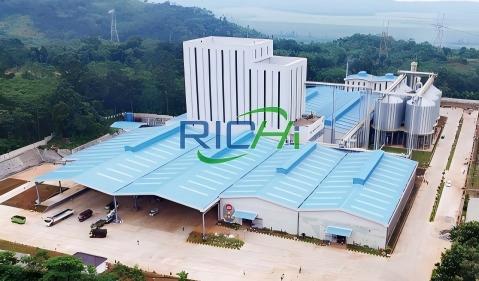
10 t/h Beef Cattle TMR Pellet Project
- Raw Materials: Alfalfa hay, corn, soybean meal, distiller’s grains, wheat bran; produces full-value TMR pellets for beef cattle fattening
- Capacity: 10 tons per hour, 24-hour continuous operation, daily output of 240 tons
- Core Equipment: 2 × SZLH420 ring-die pellet mills, large forage hammer mill, automatic multi-silo batching system, bulk bag packing machine
- Floor Space: 1,450 m² integrated area combining raw material yard, production workshop and finished goods warehouse
- Labor Requirement: 5 workers per shift (1 central control staff, 2 patrol inspectors, 2 packaging workers)
- Total Installed Power: 465kW
- Commissioning Date: April 2017
- Project Purpose: Self-use for local large-scale beef farms plus wholesale feed sales. Pellet transport losses cut by 80%, and the client recovered full equipment investment within just 6 months.
Muscat, Oman
15 t/h Turnkey Dairy & Beef Cattle Feed Project
- Raw Materials: Date palm residue, corn, fish meal, imported alfalfa hay, palm kernel shells
- Capacity: 15 tons per hour, three-shift 24-hour continuous production, daily output of 360 tons
- Core Equipment: 3 × SZLH660 ring-die pellet mills, automatic silo storage system, large molasses adding unit, dual packaging stations for bulk bags and small sacks
- Floor Space: 4,200 m² covering steel raw material silo zone, grinding & pelleting workshop, finished goods warehouse and quality inspection area
- Labor Requirement: 9 workers per shift (2 central control operators, 3 workshop patrol inspectors, 3 packaging workers, 1 maintenance & QC technician)
- Total Installed Power: 1,620kW
- Commissioning Date: August 2025
- Project Purpose: Operated by a major local Middle Eastern feed trading firm, its products supply large-scale dairy and beef farms nationwide and replace imported European and American feed pellets, cutting local feed import volumes by 35%. The pellets deliver excellent palatability and lift average daily milk yield of dairy cows by 10%.
Core Advantages
The following three core advantages make RICHI your optimal choice for equipment procurement.
RICHI Crafted, Fully Trusted.
Customer Testimonials
Positive feedback from customers serves as the prime driving force behind RICHI’s continuous progress.
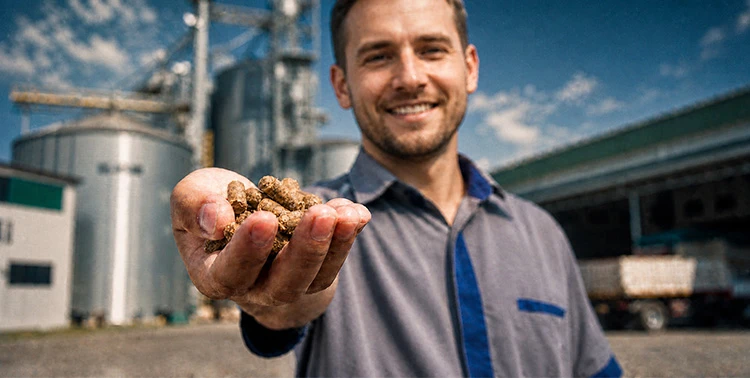
Previously, our 20+ local dairy ranches could only buy loose powder feed, which triggered severe selective feeding and held back milk yields. After evaluating three equipment suppliers, we chose RICHI’s 5–6 ton cattle feed line.
Ten months after commissioning, selective feeding among dairy cows has been completely eliminated, with each cow’s daily milk output up by 18%. I have already recommended three neighboring ranch owners to enquire about RICHI equipment.
Rajesh Patil
Dairy Cooperative Manager, Maharashtra, India
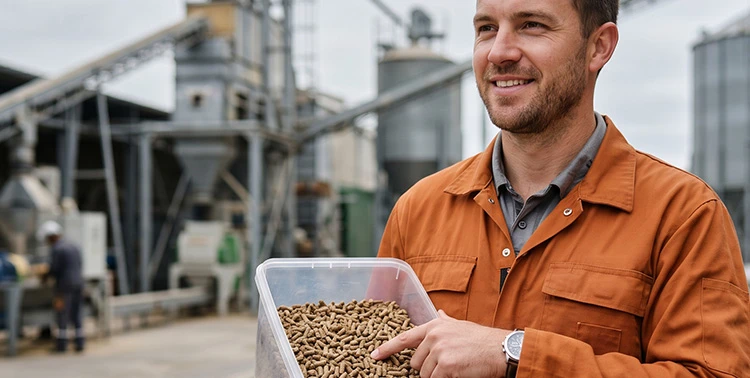
I operate a 10-ton-per-hour TMR beef pellet line specializing in cattle fattening feed made from high-fiber raw materials such as distiller’s grains, alfalfa and straw, which impose high demands on pellet mill performance.
The full turnkey service covers everything from site layout and installation commissioning to staff training. We recovered all equipment investment merely 6 months after launch. Today, more than ten local beef farms source pellets from us, with orders growing steadily month on month.
Lucas van der Merwe
Beef Feed Mill Director, South Africa
Imported European and American feed pellets come at a steep cost across the Middle East. I introduced RICHI’s fully automatic 15-ton turnkey feed line to manufacture special dairy and beef pellets using date palm residue, palm kernel shells and imported alfalfa as raw materials.
RICHI’s overseas engineers finished all installation and commissioning work in 60 days. The annual equipment failure rate stands below 1.2%, supported by round-the-clock online after-sales service. RICHI is an exceptionally reliable machinery supplier.
Khalid Al-Said
Operations Director of Major Feed Trading Firm, Muscat, Oman
Your challenges, our solutions.
FAQ
Your concerns are always RICHI’s top priority.
What raw materials can your cattle feed line process? Can it handle high-fiber forage such as straw and hay?
Our cattle feed line supports an extensive range of raw materials and fully processes high-crude-fiber forages, categorized as follows:
Grains: Corn, barley, wheat bran, rice bran
Protein feedstuffs: Soybean meal, peanut meal, cottonseed meal, fish meal
Roughages: Alfalfa, elephant grass, various straws, hay, palm kernel shells
Agricultural processing byproducts: Distiller’s grains, bean curd residue, date palm residue, empty palm fruit bunches
We specially optimized hammer mill hammers and adopted thickened ring dies for pellet mills to enhance extrusion performance for high-fiber feedstock. The line can produce both concentrated supplementary feed and full-mix TMR cattle pellets to meet distinct feeding requirements of dairy and beef cattle.
I plan to build a small-to-medium feed processing plant. How much factory space does a 2–3 ton per hour line need, how many workers are required, what is its power consumption, and how soon will I recoup my investment?
Take the 2–3 t/h universal cattle & sheep feed line as an example:
Floor Space: Around 160 m² for the main production workshop, plus a 400 m² open-air stockyard for raw materials
Labor: Just 1–2 workers per shift; a single staff member can manage both central control and packaging inspection
Total Installed Power: 76kW. The whole line is equipped with energy-saving Siemens motors, reducing power consumption per ton of feed by 16%–22% versus ordinary industry machinery
Payback Period: Cheap local waste like straw, cotton stalks and grass cuts raw material costs. Under regular operation, full equipment investment can be recovered in approximately 8 months.
Can I adjust pellet sizes after installation? If I intend to expand production capacity in the future, can the line be upgraded?
Both requirements can be fulfilled.
First, pellet specifications can be switched flexibly: ring dies with apertures ranging from 4mm to 12mm are interchangeable. 4–6mm pellets suit calves, 8mm pellets fit lactating dairy cows, and 10–12mm pellets are designed for finishing beef cattle. Ring die replacement is simple, enabling a full feed formula switch within half a day.
Second, seamless capacity expansion is supported in later stages: the whole line adopts a modular design, with expansion interfaces reserved for conveying systems, power distribution cabinets and central control panels on compact initial lines. You can boost output by adding extra pellet mill hosts, batching silos or hammer mills without reconstructing the entire line, offering maximum protection for your upfront equipment investment.

