
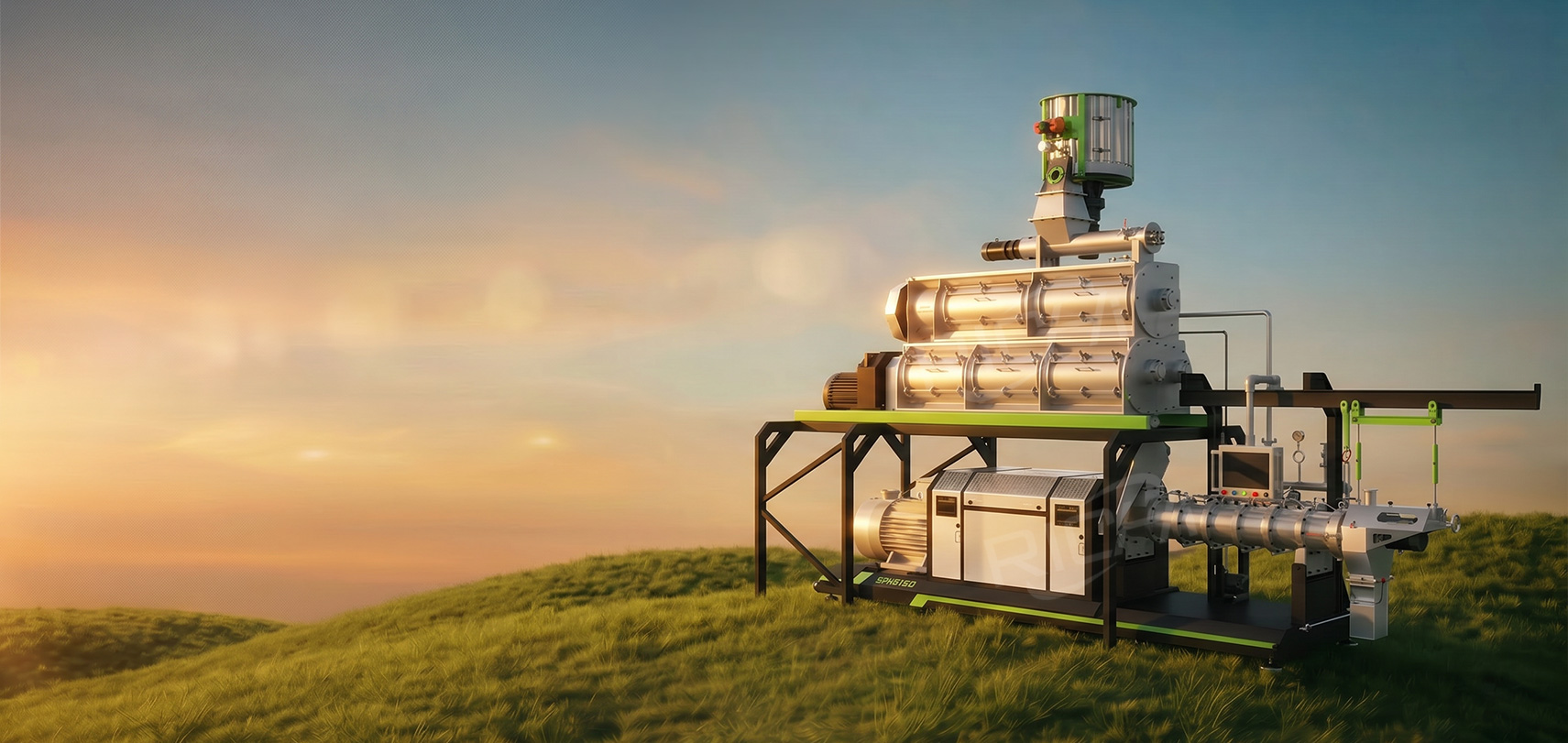
Floating Fish Feed Extruder Machine
Our floating fish feed extruder machine produces floating aquaculture extruded feed via high-temperature and high-pressure extrusion.
This RICHI floating fish feed extruder machine supports both dry and wet extrusion processes to meet diverse aquaculture standards.
Its finished pellets stay afloat for 12–24 hours, resist water breakdown, and perfectly match fish feeding behaviors.
According to different customer needs, RICHI designs different equipment models.
Extruder Machine for Fish Feed
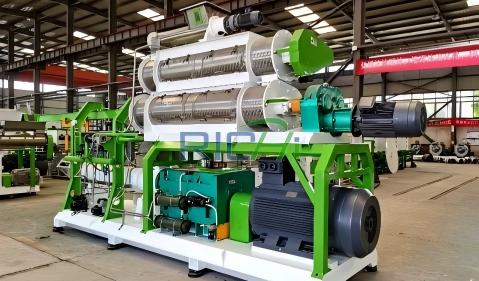
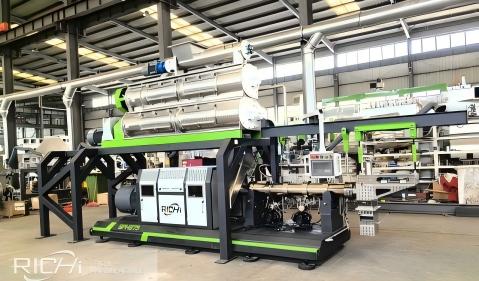
RICHI’s floating fish feed extruders include several series: the DGP dry-process single-screw extruder, the DSP wet-process single-screw extruder, and the SPHS twin-screw extruder.
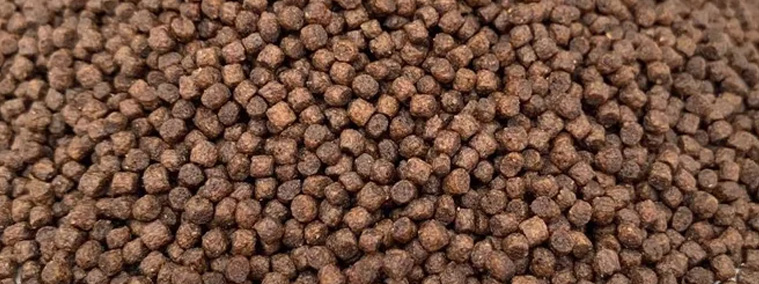
Fish feed production
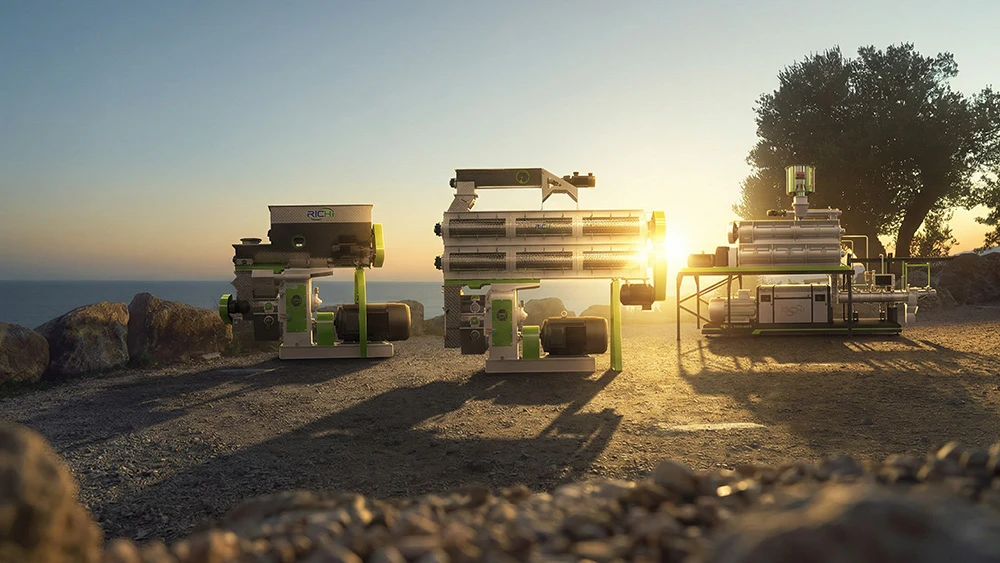
These floating fish feed extruder machines utilize high-temperature and high-pressure cooking and extrusion processes to produce feed pellets that float on water for over 12 hours without disintegrating or sinking. Suitable for various freshwater and marine fish farming applications, they are also capable of producing sinking feeds and pet food. Designed to meet diverse production scales, RICHI’s equipment offers output capacities ranging from 0.2 to 12 tons per hour. With their outstanding performance, these machines deliver excellent results in the production of floating fish feed.
Output:0.2-12.0 T/H
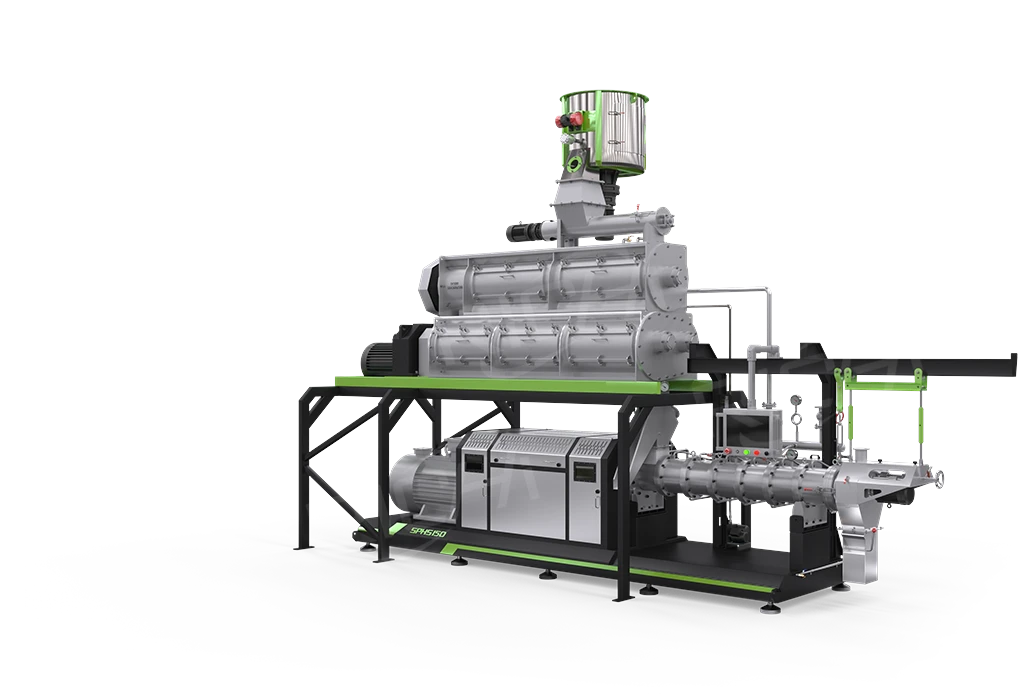
According to different customer needs, RICHI designs different equipment models.
Equipment Structure
Feeding System
Equipped with a frequency-controlled stainless steel feeder, ensuring uniform and stable material supply to prevent clogging or material interruption. The feeding rate is matched to the main motor current, guaranteeing stable, high production while protecting the equipment.
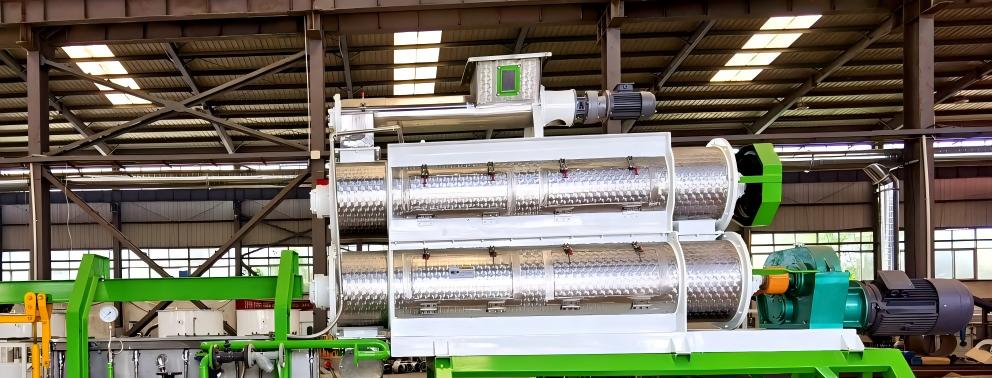
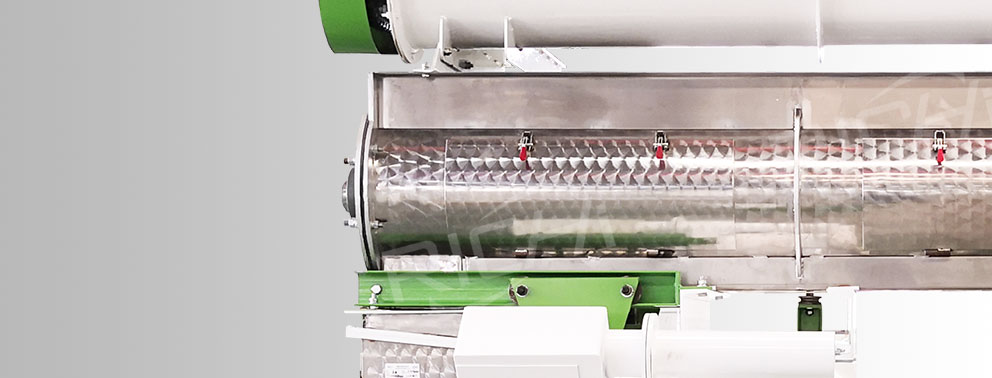
Conditioning System
Optional single-, double-, or triple-layer stainless steel conditioner allows for thorough raw material conditioning using high-temperature steam, achieving a starch gelatinization degree of ≥90% and improving digestibility and absorption of finished pellets. With the double-layer conditioner option, raw material conditioning becomes more uniform, resulting in improved feed buoyancy stability.
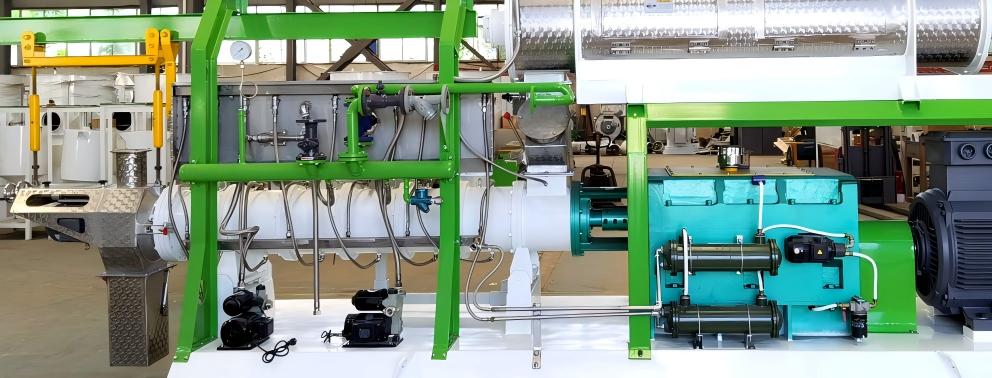
Extrusion and Expansion Main Unit
The core components are special wear-resistant alloy steel screws and barrels, which undergo heat treatment to enhance durability and extend service life. The screw is divided into three sections—feeding, compression, and extrusion—enabling gradual pressure and temperature increase (120–180°C) for optimal raw material expansion. The die head can be quickly replaced to accommodate different pellet sizes.
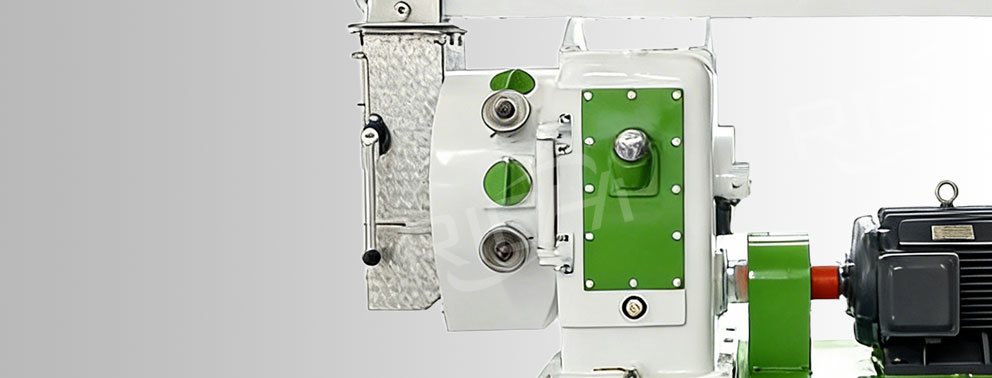
Cutting System
Fitted with a stepless speed control soft knife, providing smooth, burr-free cuts with adjustable pellet length. Combined with frequency control, it ensures even discharge and a product yield of ≥98%.
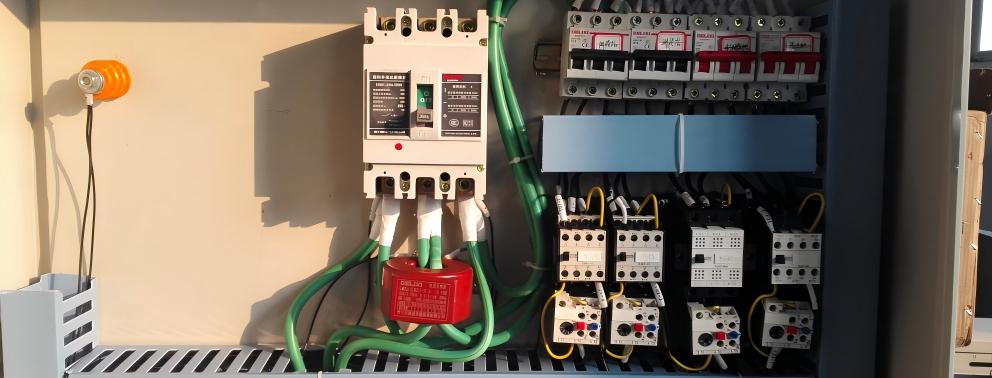
Electrical Control System
An intelligent PLC control cabinet enables one-button start/stop operation and real-time monitoring of temperature, pressure, and rotational speed. Equipped with Siemens motors and frequency drives, the system achieves energy savings of 15–20%, offering stable operation and low noise levels.
According to different customer needs, RICHI designs different equipment models.
Floating Fish Feed Extruder Machine
There are several models of the RICHI extruder that can be used for fish feed extrusion.
Various Capacities Of RICHI Floating Fish Feed Extruder Machine
| Model | DGP-90B | DGP-120B | DGP-160B | DSP-90B | DSP-135B |
| Main motor power(kw) | 37 | 55 | 90 | 37 | 75 |
| Feeding power(kw) | 0.75 | 202 | 3 | 7.5 | 7.5 |
| Cutting power(kw) | 0.55 | 1.1 | 1.5 | 1.1 | 1.5 |
| Screw diameter(mm) | 90 | 120 | 160 | 90 | 135 |
| Overall dimensions(mm) | 2100*1450*1350 | 2400*1950*1600 | 3100*2650*1800 | 2600*1600*1900 | 3750*1980*1950 |
| Output(T/H) | 0.2-0.4 | 0.5-0.6 | 0.8-1.0 | 0.5-0.6 | 0.8-1.0 |
Videos of RICHI‘s Extruders
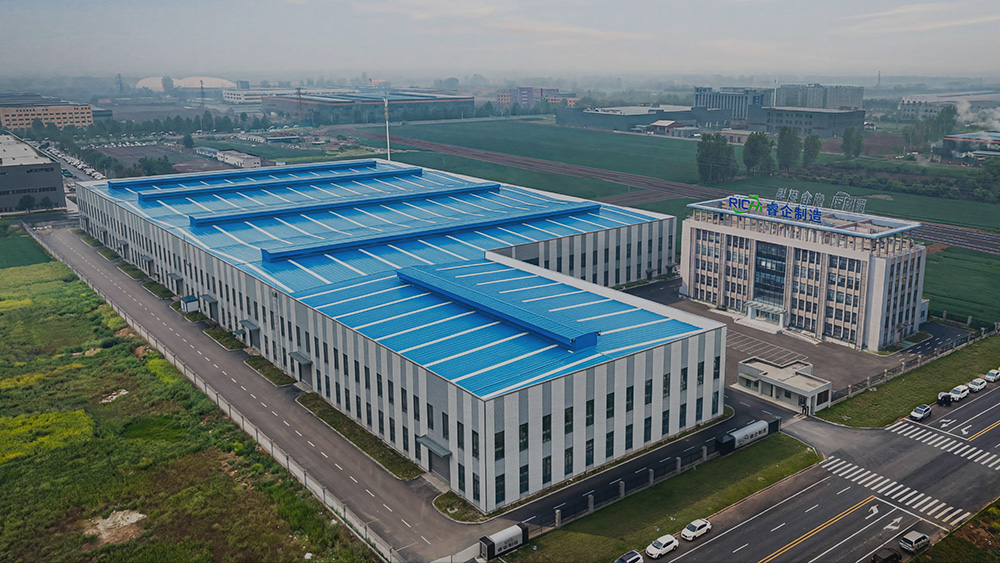
RICHI features spacious factory premises, a tidy office environment and complete production lines.

Why choose RICHI?
Great enterprise, quality products, tangible strength.
Productive Process of Extruded Pellet
RICHI’s equipment is capable of producing high-quality and efficient extruded pellets.
Core Advantages
The floating feed extruder machine for sale possess a range of core advantages for production applications.
RICHI Crafted, Fully Trusted.
Success Stories
RICHI has accumulated numerous successful project cases through our dedicated full-service support.

Khuzestan Province, Iran
1.5–2 Tons/Hour Floating Fish Feed Project, Iran
The region primarily focuses on large-scale pond farming of carp and catfish. The client has established a shrimp feed production line alongside this project, achieving an integrated capacity of 5–6 tons per hour. After commissioning, the feed consistently floats for over 12 hours. Local farmers report a 15% increase in fish growth rate and a 12% reduction in feed loss due to sinking, establishing the facility as the leading aquaculture feed supplier in the province.
Maharashtra, India
1 Ton/Hour Floating Fish Feed Project, India
Serving a concentrated freshwater aquaculture area, the plant uses locally sourced corn and defatted soybean combined with fishmeal. Equipment temperature control and extrusion parameters are optimized for local raw materials, producing uniform pellets with excellent buoyancy. The product serves dozens of villages and farms in the surrounding areas and has become a regional benchmark feed mill, experiencing consistent year-round demand exceeding supply.
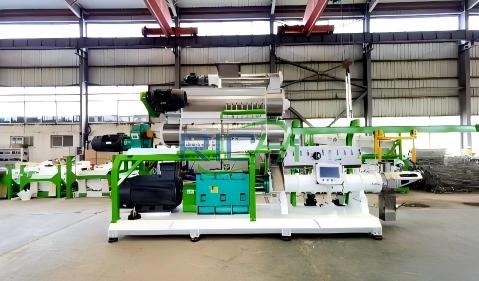
Tashkent Region, Uzbekistan
2 Tons/Hour Fish Feed Project, Uzbekistan
Equipped with a DGP200-B extruder paired with a dual-stage conditioning system, the production line operates fully automated with only 4–5 personnel required. It achieves a stable daily output of up to 48 tons. Highly processed feed significantly reduces aquatic disease incidence. The product serves Tashkent and surrounding regions, earning strong market reputation.
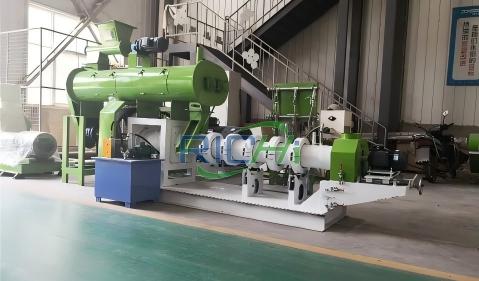
Ogun State, Nigeria
Small-Scale Farming Support Project, Nigeria
Configured with a 300–400 kg/h dry-type extruder that requires no steam system, this setup is ideal for small- to medium-sized family farms and cooperatives. With low investment cost and simple operation, it effectively eliminates local reliance on imported aquafeed. The feed demonstrates stable floating performance and has gained wide recognition among local farmers.
Supporting Production Line
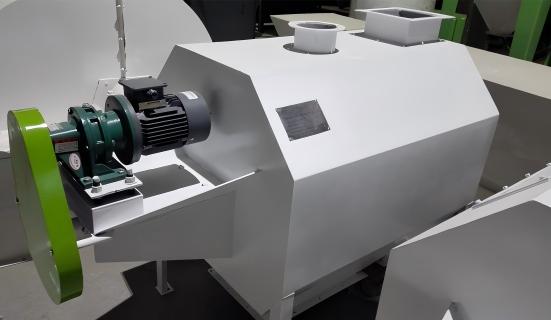
Raw Material Processing
Core ingredients such as corn, soybean meal, fishmeal, and bran are finely ground with precision. The fish feed extruder adjusts grinding fineness accurately according to the specific requirements of different fish species’ feed production, significantly improving the wetting effect during subsequent steam conditioning and ensuring more thorough raw material gelatinization.
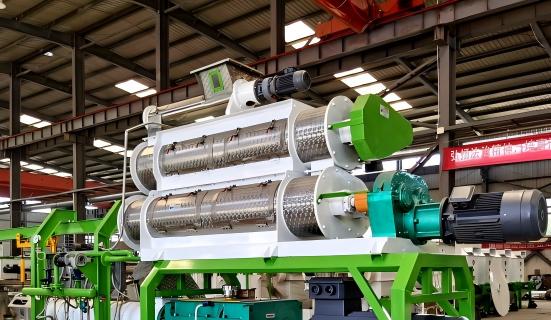
Ingredient Mixing
After grinding, the main ingredients are precisely proportioned with auxiliary components including vitamins, minerals, attractants, and trace elements based on customized aquaculture formulas. Fully automatic mixing equipment ensures high-speed stirring and uniform blending, effectively eliminating issues such as nutrient stratification and uneven distribution in the feed.
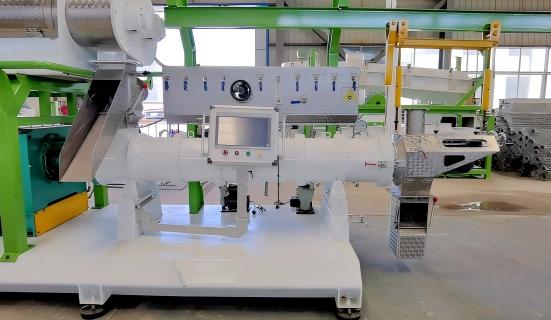
Extrusion and Gelatinization
High-pressure, high-temperature steam is introduced to soften and moisten the mixed materials, enabling starch to fully absorb water and swell, achieving a gelatinization rate exceeding 90%. A wear-resistant screw system applies gradual pressure and heating under conditions of 120–180°C, thoroughly eliminating harmful bacteria such as Salmonella and E. coli while completing raw material gelatinization and structural modification. According to requirements, the material is cut into uniform granules ranging from 1 to 12 mm. Instant depressurization forms the pellets, creating an even micro-porous internal structure that naturally provides excellent buoyancy. The semi-finished product achieves preliminary long-term floating capability.
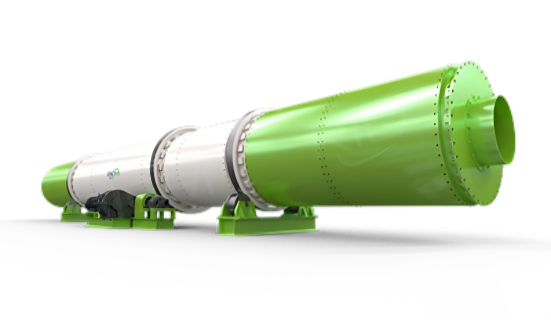
Constant-Temperature Drying
Multi-layer constant-temperature drying equipment precisely controls temperature to remove excess moisture from the extruded pellets at a steady rate. This process effectively solidifies the internal micro-porous structure, stabilizing the feed’s long-term floating performance. It also prevents mold growth, spoilage, and caking caused by high moisture levels, significantly extending the feed’s shelf life.
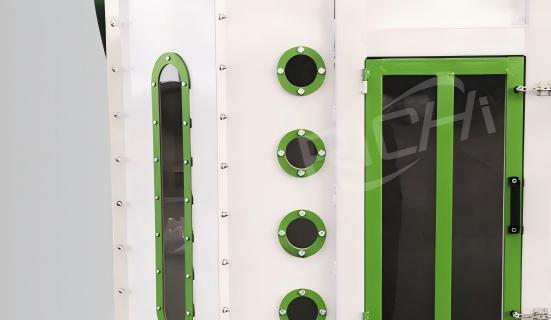
Oil Spraying, Flavoring, and Cooling
Fish oil, vegetable oils, and specialized flavor enhancers are evenly sprayed onto the pellets. This not only locks in internal nutrients and reduces nutrient loss but also greatly enhances palatability, stimulating aquatic animals’feeding desire. After oil spraying, air cooling rapidly hardens and sets the hot pellets, resulting in dense, full-bodied granules that are resistant to breakage and free of dust—ideal for transportation, feeding, and long-term storage.
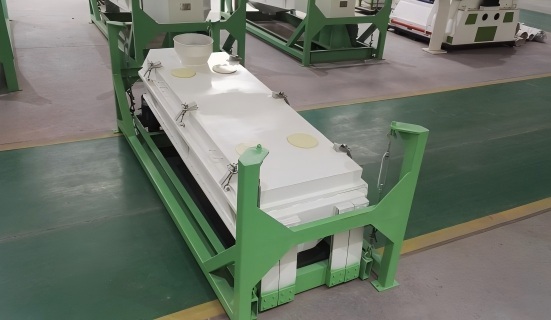
Screening and Packaging
Professional screening equipment filters out powders, broken particles, and defective products generated during production, retaining only uniformly sized, well-formed premium pellets. Qualified feed undergoes precise weighing, sealing, and packaging via fully automated systems, ensuring consistent specifications and high-quality appearance, enabling standardized mass production and delivery.
RICHI equipment delivers reliable performance anywhere.
Application Scenarios
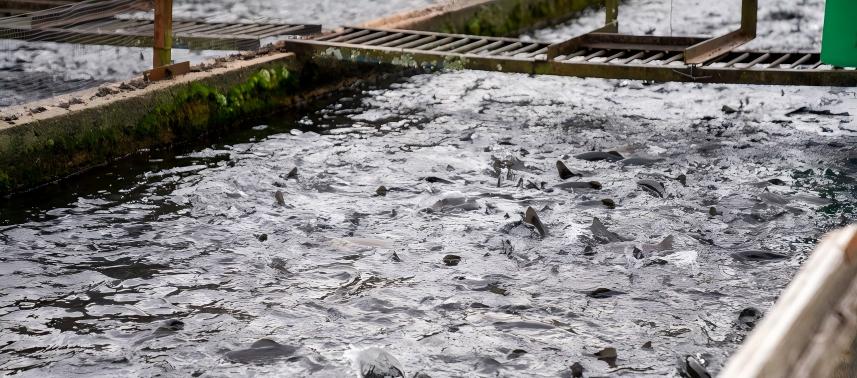
Freshwater Aquaculture
Suitable for mainstream farmed fish such as grass carp, common carp, crucian carp, tilapia, and silver carp, producing floating pellets of appropriate particle size that remain suspended on the water surface for extended periods after feeding. Ideal for pond, cage, and rice field aquaculture systems, enabling convenient feeding and inspection while significantly reducing feed loss due to sinking.
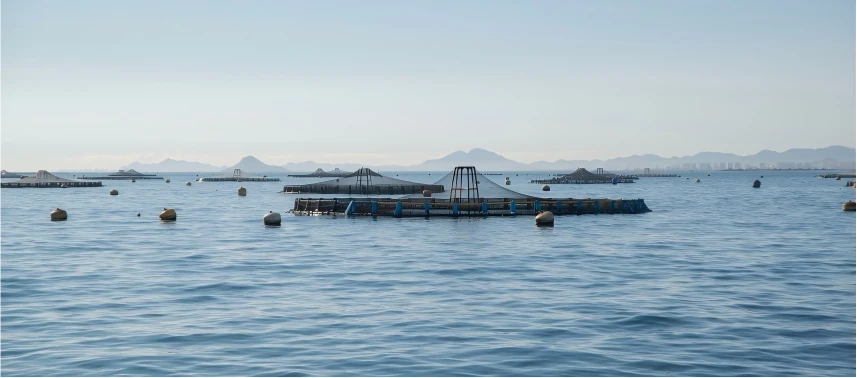
Premium Marine Aquaculture
Specialized extruded feed for high-value marine species including sea bass, grouper, large yellow croaker, and sea bream. High-temperature processing preserves nutrients, meeting the high-protein dietary requirements of marine fish. Suitable for coastal aquaculture ponds and deep-sea cage farming operations.
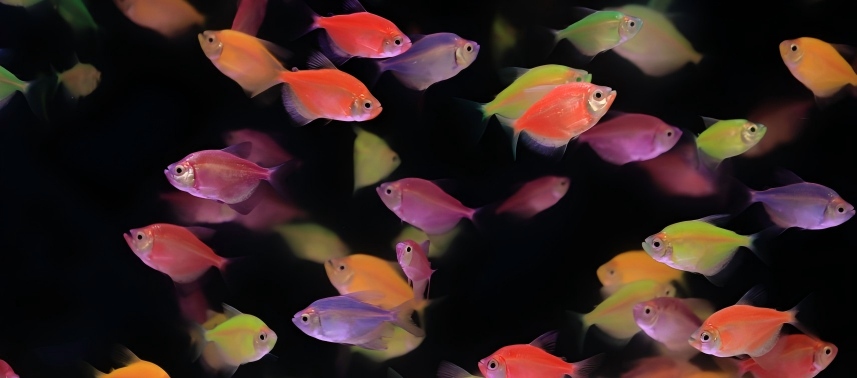
Ornamental Fish Industry Feed
Produces pellet feed for goldfish, koi, tropical fish, and other ornamental species. Pellets are uniformly shaped, highly palatable, and nutritionally balanced, meeting the production needs of aquarium shops, home breeders, and ornamental fish farms.
RICHI Crafted, Fully Trusted.
Core Advantages of RICHI
Reliable, hassle-free and reassuring — these are the hallmarks of RICHI.
Your challenges, our solutions.
FAQs
Should you have any questions, RICHI will provide you with professional answers.
Is the quality of the finished pellets guaranteed? In what aspects is this reflected?
The pellet size is highly adjustable, covering a full range from 1 to 12 mm. By quickly changing dies and adjusting cutting speed, precise production of various pellet sizes can be achieved. Small-sized pellets are suitable for fry and small ornamental fish, while medium to large pellets meet the needs of adult fish and large specialty aquaculture species. This enables feed production throughout the entire growth cycle—from fingerlings to mature fish—and supports diverse aquaculture models with multiple species and specifications.
What types of feed can the equipment produce? How compatible is it with raw materials, and can common grains be used?
Our floating fish feed extruder machine is multi-functional and highly versatile. In aquaculture, it can produce feed for freshwater fish such as grass carp, carp, and tilapia, premium marine species like sea bass and grouper, as well as specialty aquatic products including bullfrogs, softshell turtles, and loaches. It can also switch to producing sinking pellets for shrimp and crabs. Beyond aquaculture, it can manufacture extruded pet food for cats and dogs. The machine has strong compatibility with raw materials—common ingredients such as corn, soybean meal, fishmeal, bran, and rice bran can be processed directly without special pre-treatment, allowing customers to flexibly adjust their feed formulations according to operational needs.
How automated is the entire production line, and how many operators are required? Is it easy for beginners to learn?
The core production line is equipped with a PLC intelligent control system, supporting one-button start/stop, real-time monitoring of temperature, pressure, and speed, as well as automatic variable-frequency speed adjustment. The entire process runs seamlessly in full automation, requiring minimal human intervention. A standard production line only needs 1–2 personnel for on-site supervision, routine inspections, and simple material handling. Beginners can quickly become proficient after basic technical training provided by the manufacturer. The floating fish feed extruder machine is designed for large-scale mass production, significantly reducing labor costs and solving traditional feed production issues such as high labor requirements, complex operations, and unstable output.

